
Everything You Need to Know About Getting Married Online
Weddings have always been deeply personal, but the way couples legally marry is evolving. Today, many couples are asking a new question: Is getting married online possible? The short answer is yes. In recent years, digital processes and legal changes have made online weddings possible in certain jurisdictions. Couples can now complete the legal process through a virtual wedding ceremony, sometimes without visiting a courthouse or government office.
This shift has opened new opportunities for couples living in different countries, those facing travel restrictions, or simply those looking for a faster way to become legally married. Platforms like Distant Weddings help couples navigate this process by organising the ceremony, guiding them through documentation, and ensuring the marriage is properly recorded. This guide explains how online marriage works, where it is legal, what documents are required, and what couples should consider before choosing a virtual wedding.
What Does “Getting Married Online” Actually Mean?
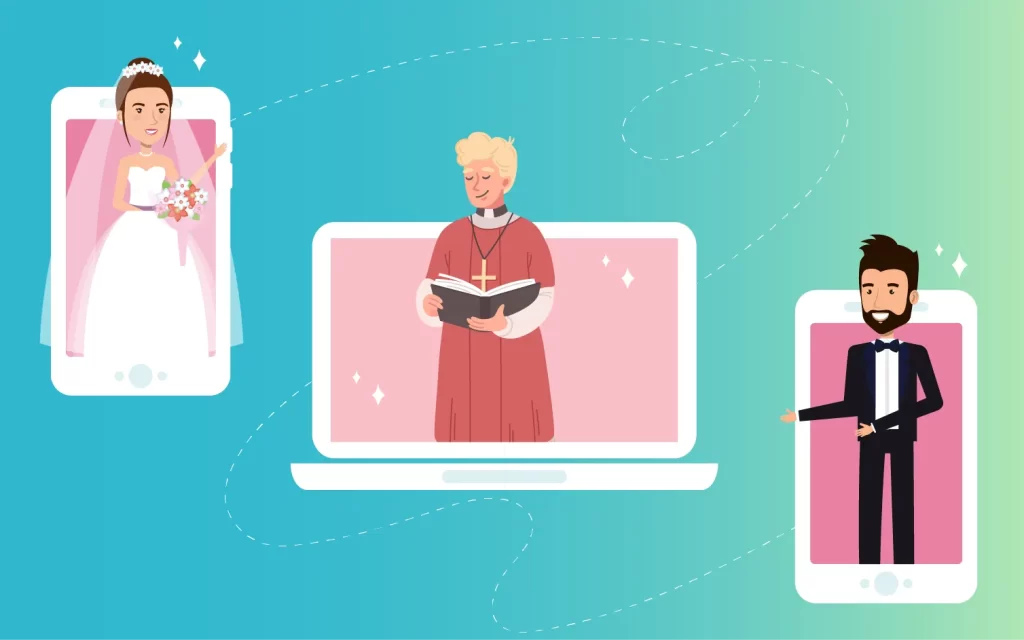
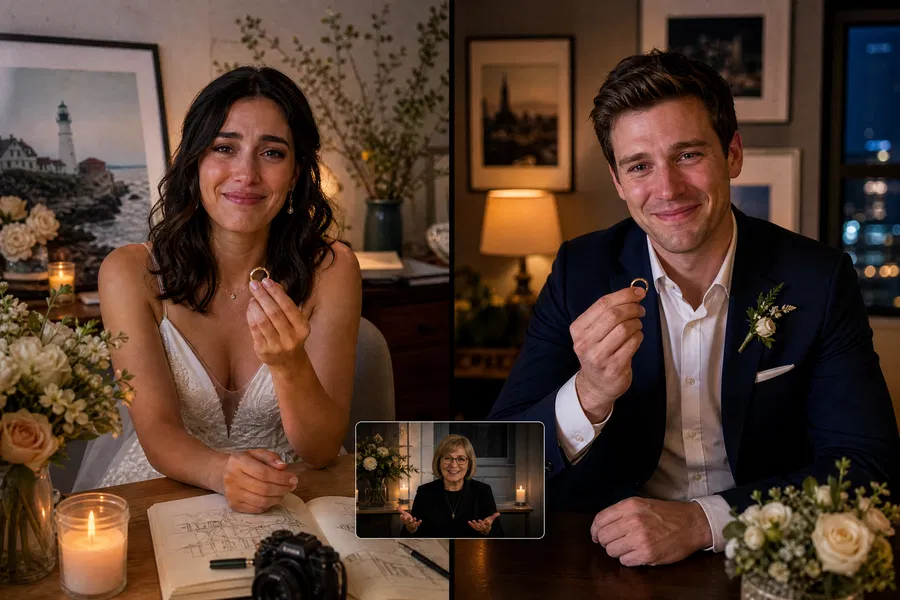
Getting married online does not mean skipping the legal process. Instead, it refers to completing parts of the marriage procedure digitally. In a typical online wedding ceremony, the couple attends via a secure video call while an authorised officiant conducts the marriage. Legal documentation is completed digitally, and the marriage is recorded through the appropriate authority.
The process usually includes:
- Submitting identification and application forms online
- Attending a virtual ceremony with an officiant
- Having witnesses present remotely if required
- Receiving the official marriage certificate online
While the ceremony takes place online, the marriage itself remains legally recognised when performed through authorised systems. This approach allows couples to get married online legally while avoiding some of the logistical challenges of traditional ceremonies.
Where Is Online Marriage Legal?
Online marriage laws vary by country or jurisdiction. Some governments allow fully remote ceremonies, while others still require at least one in-person step. Government data shows that over 2 million marriages occur in the United States each year, highlighting the ongoing demand for legal wedding services and the growing interest in digital options such as virtual wedding ceremonies.
One of the most widely known jurisdictions for online marriage services is the U.S. state of Utah. Utah introduced a system that allows couples from anywhere in the world to obtain a marriage license and attend a virtual ceremony through video conferencing. Because the marriage is issued through a legally recognised authority, the marriage certificate can often be used for many legal purposes. Other jurisdictions may allow partial digital processes, such as submitting applications online, while requiring the ceremony to take place in person.
Since laws can change, couples should always verify current regulations before planning a virtual wedding online.
How the Online Marriage Process Works
Although each platform or jurisdiction may have slightly different procedures, the overall process is fairly consistent.
1. Choose an Online Marriage Service
The first step is selecting a reliable service that helps organise the legal process. Services such as Distant Weddings guide couples through the documentation, scheduling of the ceremony, and official recording of the marriage.
2. Apply for a Marriage License
Couples must complete the legal application required for marriage. This usually involves providing personal details and uploading identification documents.
3. Schedule the Virtual Ceremony
Once the application is approved, couples can schedule an online wedding ceremony with an authorised officiant.
4. Attend the Ceremony
The ceremony takes place through a video call. The officiant leads the ceremony, confirms the couple’s identity, and officially declares the marriage.
5. Receive the Marriage Certificate
After the ceremony, the marriage is recorded, and couples receive their marriage certificate online.
This streamlined process is one reason why many couples are now exploring online weddings as a modern alternative.
Documents Required for Online Marriage
Although the process happens online, couples must still meet legal requirements. The required documents are usually similar to those for traditional marriages.
Common requirements include:
- valid government identification such as a passport or driver’s licence
- personal details, including date of birth and legal name
- confirmation that both partners are legally eligible to marry
- witness details if required by law
Some jurisdictions may also require additional verification depending on the couple’s nationality or marital history. Completing the documentation accurately is important because it ensures the marriage will be recognised legally.
Can International Couples Get Married Online?
One of the biggest advantages of online marriage is that it allows couples in different locations to marry legally. International couples often face logistical challenges when planning traditional weddings. Travel restrictions, visa delays, and complicated paperwork can make the process difficult.
A virtual wedding ceremony offers a practical alternative. Both partners can join the ceremony from different countries while still completing the legal process. This has made online weddings particularly appealing to long-distance couples and those who want to begin immigration paperwork quickly.
However, couples should always check whether the marriage will be recognised in their home country, as recognition rules can vary.
How Much Does It Cost to Get Married Online?
The cost of an online wedding depends on several factors, including the service provider, jurisdiction, and additional ceremony options. In general, online weddings tend to be far less expensive than traditional weddings. Couples do not need to book venues, arrange travel, or organise large events. Traditional weddings can be expensive. In Utah, for instance, the average wedding cost exceeds $38,000, which is one reason many couples explore simpler alternatives such as online wedding ceremonies.
Typical costs may include:
- marriage license fees
- officiant services
- platform or service provider fees
- optional ceremony customisation
Even with these costs, online weddings remain significantly more affordable than traditional ceremonies for many couples.
Pros and Cons of Getting Married Online
Like any marriage option, online weddings have advantages and limitations.
Advantages
- Online weddings offer convenience and flexibility. Couples can complete the legal process quickly without needing to travel or schedule courthouse appointments.
- They also allow partners in different locations to participate in the ceremony, which is especially useful for international couples.
- Another benefit is cost. Virtual ceremonies often eliminate many of the expenses associated with traditional weddings.
Limitations
- Legal recognition can vary depending on where the couple lives. Some countries may require additional documentation or verification.
- Additionally, couples who value large gatherings and traditional ceremonies may prefer to hold a separate celebration later.
- For many couples, however, the convenience and efficiency of online marriage outweigh these challenges.
Why Many Couples Choose Distant Weddings
When planning an online wedding, selecting the right service provider is essential. Couples want a platform that understands both the legal requirements and the practical details of organising a virtual ceremony.
Distant Weddings has become a popular choice for couples exploring online marriage. The platform helps guide couples through the entire process, from completing the marriage license application to scheduling the ceremony and receiving the official documentation.
Couples appreciate the clarity and structure provided by services like Distant Weddings. Instead of navigating legal procedures alone, they receive guidance that simplifies each step of the process. This support helps ensure that the marriage is completed correctly and legally recognised.
The Future of Online Weddings
Digital services are transforming many areas of everyday life, and marriage processes are no exception. As governments adopt more digital systems, online marriage is likely to become more common. Couples today value flexibility, especially when they live in different locations or have busy schedules. Being able to get married online offers a practical solution that fits modern lifestyles.
In the future, we may see more countries adopting systems that allow couples to complete marriage documentation digitally. Hybrid weddings may also become more common, where couples complete the legal ceremony online and celebrate with family and friends later.
Final Thoughts
So, can you get married online?
Yes, in certain jurisdictions, it is possible to complete the legal marriage process through an online wedding ceremony. By submitting the required documents, attending a virtual ceremony, and receiving the official certificate, couples can become legally married online without traditional courthouse procedures.
For couples facing travel challenges, living in different countries, or simply looking for a faster legal process, online marriage offers a modern and convenient alternative. Services like Distant Weddings help couples navigate the process smoothly, ensuring that the ceremony and
Get Married Online
Get married online with Distant Weddings. We’ll guide you step by step through our 3-step process, ensuring the process is simple & easy.