
How to Compose Your Own Personalized Vows

How to Create Your Own Personalized Vows Wedding vows stand as the foundation of the matrimonial ceremony, encapsulating promises of love, commitment, and partnership. In an era where tradition interconnects with personal expression, the significance of personalized vows exceeds mere ritual; it becomes a heartfelt declaration tailored to the unique love story of the couple. Why Personalized Wedding Vows Are Worth Every Word 1. Emotional Depth and Sincerity Personalized vows dive into the depths of emotions, conveying the sincerity and depth of the couple’s feelings for each other. Unlike traditional vows, which may feel generic, personalized vows resonate with authenticity, touching the hearts of not only the couple but also their loved ones witnessing the exchange. 2. Reflects Unique Love Story Each love story is singular, woven with its own tapestry of moments, challenges, and triumphs. Personalized vows serve as a mirror reflecting this uniqueness, celebrating the journey of the couple and acknowledging the hurdles they’ve overcome together, thus making the ceremony more intimate and meaningful. 3. Adds Sentiment to The Ceremony The exchange of personalized vows infuses the wedding ceremony with a profound sense of sentimentality. As the couple shares their heartfelt words, guests are invited into their world, witnessing the raw emotions and deep connection between them, making the occasion not just a union of two individuals but a celebration of love itself. 4. Symbolizes Commitment Crafting personalized vows requires reflection and thought, symbolizing the commitment of the couple not just to each other but also to the promises they make. These vows serve as a solemn pledge, binding them together in a pledge of love and dedication, laying the foundation for a lifetime of partnership and mutual support. Tips for Writing Personalized Vows Brainstorming Ideas: Reflecting on the Relationship: Take time to reminisce about the journey as a couple, recalling cherished moments and milestones that have defined your love story. Listing Admired Traits: Consider the qualities you admire most in your partner and how they have enriched your life. Envisioning The Future Together: Visualize the future you aspire to build together, envisioning the adventures and challenges that lie ahead. Finding Inspiration: Exploring Literature and Poetry: Draw inspiration from classic literature, poems, or love songs that resonate with your relationship. Incorporating Cultural Traditions: Embrace cultural customs and traditions that hold significance for both of you, incorporating them into your vows. Reflecting on Shared Experiences: Recall shared experiences and inside jokes that are unique to your relationship, inspiring your vows with memories. Crafting the Vows: Starting with a Love Declaration: Begin your vows with a heartfelt declaration of love, expressing the depth of your feelings for your partner. Sharing Personal Anecdotes: Express personal anecdotes and stories that highlight the special moments you’ve shared. Making Specific Promises: Be specific in the promises you make, outlining your commitment to support, cherish, and love each other unconditionally. Rehearsing the Vows: Reading Aloud for Flow: Practice reading your vows aloud to ensure they flow smoothly and resonate when spoken. Seeking Feedback: Seek feedback from trusted friends or family members to refine your vows and ensure they accurately capture your emotions. Practicing Delivery: Rehearse your vows multiple times to build confidence and ensure a heartfelt delivery during the ceremony. Examples of Wedding Vows Here are a few examples of phrases you might use: “I promise to laugh with you in times of joy and comfort you in times of sorrow. I will share in your dreams and support you as you strive to achieve your goals.” – From The Knot “I take you to be my partner, to have and to hold from this day forward. I promise to love you unconditionally, to support you in your goals, and to cherish every moment we share together.” – From Brides “With this ring, I give you my heart. I promise to stand by your side, to be your partner in all things, and to love and cherish you for the rest of my days.” – From Wedding Forwards “I vow to be your faithful partner, to respect and honor you, and to always be there to support you in your dreams and endeavors.” – From Martha Stewart Weddings I promise to be your rock, your confidant, and your biggest cheerleader. I will stand by you through thick and thin and love you more deeply with each passing day.” – From Wedding Wire “I promise to be your partner in all things, to listen with an open heart, and to cherish and respect you for the incredible person you are.” – From Zola Do’s and Don’ts of Writing Vows What to Include: Expressing Love: Begin your vows with heartfelt declarations, conveying deep feelings for your partner. Let your sincerity and intensity shine, highlighting the love that unites you. Sharing Promises: Promise unwavering support, cherish, and love, laying the groundwork for your vows. These pledges signify your dedication to nurturing and strengthening your bond. Reflecting on the Relationship: Reflect on your journey, recalling defining moments and personal stories. Inspire your vows with cherished memories, expressing the unique bond and experiences you share as a couple. Including Future Plans: Envision your shared future, integrating aspirations and plans. By expressing shared dreams, reaffirm commitment to a united journey. Common Mistakes to Avoid: Procrastination: Avoid last-minute vow writing to preserve heartfelt sincerity. Begin early, allowing time to reflect and craft meaningful vows. Being Too Generic: Avoid cliches and generic phrases. Infuse genuine emotion into your vows, showing a distinctive bond with your partner. Excessive Length: Balance expressing love and commitment with conciseness. Avoid rambling or unnecessary details to maintain the vow’s impact. Unrealistic Promises: Make honest, realistic promises to your partner. Avoid grandiose commitments; focus on genuine intentions, mutual respect, and understanding. Forgetting to Rehearse: Don’t forget to rehearse your vows. Practice speaking them aloud for smooth delivery and a confident, authentic ceremony. Personal vows, lifelong promises Personalizing wedding vows is a deeply
License to Love: Essential Getting Married Paperwork Checklist

License to Love: Essential Getting Married Paperwork Checklist As you get ready for your special day, it’s common to forget about the paperwork that comes with getting married. Fear not! Whether you’re tying the knot in a grand ceremony or opting for a virtual celebration, this guide will ensure that you navigate the essential paperwork with ease and grace. What Paper Do You Get When You Get Married? Before you start your marriage, it’s important to know about the paperwork that comes with it. So, what’s in the pile of documents you get when you say “I do”? Let’s break it down: Marriage License: This is the golden ticket to your union. Think of it as your passport to love. The marriage license is the legal document that authorizes you to get married. It includes vital information about the couple, such as names, addresses, and other relevant details. Marriage Certificate: Post-wedding, you’ll receive this official document as proof of your union. It’s like the diploma for the school of love, certifying that you’ve successfully graduated to wedded bliss. This certificate is often required for various legal purposes, from changing your last name to updating your marital status on official documents. In summary, when you tie the knot, you’ll be handed two crucial papers: the marriage license, allowing you to officially get married, and the marriage certificate, providing proof of your union. How Do I Process a Marriage Certificate? Now that you know the basics, let’s get into the process of turning that marriage license into a bona fide certificate. Here’s a step-by-step guide: Complete the Marriage License Application: Head to your local marriage license office and fill out the application form. Be sure to have the necessary identification and paperwork, such as proof of age and residency. Submit the Application: Once your application is complete, submit it to the relevant office. Some places may have a waiting period before the license is issued, so plan accordingly. Officiate the Ceremony: The big day has arrived! Ensure that your chosen officiant is legally qualified to solemnize your marriage. After the ceremony, both you and your officiant will sign the marriage license. Return the License: Don’t forget this crucial step! The signed license must be returned to the issuing office for processing. Once received, they will officially register your marriage and provide you with the coveted marriage certificate. Remember that specific requirements and procedures may vary depending on your location, so it’s advisable to check with local authorities for any additional steps or regulations specific to your area. How Do I Register for Marriage? Registration might sound like a bureaucratic chore, but it’s a necessary step to make your marriage legally binding. Here’s a simplified guide: Visit the Local Registrar’s Office: Soon after your nuptials, visit the local registrar’s office to officially register your marriage. Bring along the signed marriage certificate and any other required documentation. Provide Identification: You’ll likely need to present valid identification, such as a driver’s license or passport, to confirm your identity. Pay the Fee: Some regions may charge a fee for the registration process. Check with your local registrar’s office to determine the applicable charges. Receive Your Marriage Certificate: Once everything is in order, you’ll be issued an official marriage certificate. This document is your proof of a legally recognized marriage and is essential for various administrative purposes. Retrieve Multiple Copies: Consider obtaining multiple copies of your marriage certificate. Having extra copies can be useful for various purposes, such as changing your last name, updating identification documents, or applying for spousal benefits. You can typically request additional copies at the same office where you obtained the original certificate. Update Personal Records: With your marriage certificate in hand, it’s time to update your personal records. Notify relevant authorities and institutions, including the Social Security Administration, Department of Motor Vehicles, and financial institutions, about your marital status. This ensures that your records accurately reflect your new legal relationship. Change Last Name (if applicable): If you’ve decided to change your last name, follow the necessary procedures in your jurisdiction. This may involve updating your driver’s license, passport, and other identification documents. Some places may require a certified copy of your marriage certificate as proof of the name change. Notify Employer and Insurance Providers: Inform your employer and any insurance providers about your marital status. This is important for updating benefits, tax withholding, and insurance coverage. Provide them with a copy of your marriage certificate as needed. For a hassle-free marriage registration, these steps are straightforward. Ensure to visit the local registrar’s office soon after your wedding, bringing along your signed marriage certificate and required identification. Pay any applicable fees, receive your official marriage certificate, and consider getting extra copies for various purposes like updating personal records or changing your last name if needed. Additional Documents for Marriage As you go through the legal process of getting married, there are a few more documents that might be needed to make sure everything goes smoothly. Identification Documents: Be prepared to present valid identification for both partners. This often includes driver’s licenses, passports, or birth certificates. Proof of Residence: Some jurisdictions may require proof of residency, so keep utility bills or rental agreements handy. Divorce or Widowhood Certificates: If either partner was previously married, a divorce certificate or the death certificate of the former spouse may be necessary. Parental Consent (if applicable): In certain cases, especially if one or both partners are minors, parental consent may be required. Check local regulations to ensure compliance. Now that you’re armed with the knowledge of the primary and additional documents needed for your marriage, let’s move on to the next steps in handling your paperwork. Changing Name After Marriage For many couples, a change in last name is a sentimental and symbolic choice. If you’re considering taking your partner’s last name or opting for a hyphenated version, here’s what you need to know: Update Social Security Records: Visit the Social Security
8 Amazing Practices to Manage Wedding Stress

8 Amazing Practices to Manage Wedding Stress Planning your wedding? Buckle up! It’s a mix of emotions, from the pure joy of saying “I do” to the head-spinning stress of making everything perfect. It’s a rollercoaster ride of anticipation and nerves, where every decision feels monumental and every detail must be just right. Amidst this flurry of activity, it’s important to recognize both the thrill and the pressure that accompany the journey. Managing wedding stress isn’t just about checking off tasks, it’s about preserving the joy and magic of this special occasion. By finding ways to manage wedding stress, couples can ensure that their wedding planning experience is as fulfilling as the celebration itself. 1. Have Open Talks with Your Partner Open and honest communication lays the foundation for a successful journey through wedding planning. It’s not just about exchanging ideas, it’s about truly understanding each other’s needs and concerns. By discussing expectations and sharing responsibilities, couples can ease stress and strengthen their bond as they work together towards their special day. Supporting each other throughout the process isn’t just a suggestion, it’s a vital component of building a strong partnership that will endure far beyond the wedding day. 2. Divide Tasks and Request Support Seeking assistance from family members and friends can be a game-changer in wedding planning. It’s about recognizing that you don’t have to do it alone and that asking for help is not a sign of weakness, but rather a smart strategy for preserving your mental health. Sharing responsibilities by dividing tasks helps prevent burnout and allows both partners to feel a sense of accomplishment while tackling their joint to-do list. Is It OK to Have Wedding Guests RSVP Online? In the era of digital dominance, online RSVPs have become not just acceptable but preferable for many couples. Here’s why embracing virtual RSVPs is a fantastic idea: Convenience for Guests: Online RSVPs are quick and easy for guests. They can respond at their convenience, eliminating the need for postal delays. Real-Time Updates: Receive instant notifications when guests RSVP. Get accurate headcount’s for catering and seating arrangements. Environmentally Friendly: Reduce paper waste by going digital. Embrace an eco-friendly approach to wedding planning. Efficient Data Management: Store and organize RSVP data effortlessly. Access real-time information, making last-minute changes more manageable. The shift to online RSVPs not only streamlines the process but also adds a modern touch to your wedding preparations. 3. Establish a Realistic Budget Establishing a practical budget sets the stage for a smoother wedding planning journey, ensuring that financial worries don’t bring down the excitement of the occasion. By prioritizing expenses and sticking to the budget, couples can avoid unnecessary stress and focus on what truly matters. It’s important to remember that splurging is okay, as long as it aligns with your financial boundaries and enhances the overall experience of your special day. 4. Keep Organized Keeping things organized is like carving out a clear path through the busy chaos of planning a wedding. It’s about staying on top of every detail and ensuring nothing falls through the cracks. Utilizing helpful tools like apps, checklists, or binders can streamline the process and relieve unnecessary stress. With a clear roadmap and well-organized approach, couples can find their way through the planning process with greater ease and confidence, keeping the focus on the joy of the journey ahead. 5. Maintain a regular sleep schedule Ensuring you get enough rest is vital during the wedding planning, as it helps refresh both your body and mind. Establishing a healthy sleep routine lays the foundation for managing wedding stress and maintaining clarity and energy. Sufficient rest not only promotes overall well-being but also enhances resilience in facing the expected challenges of planning a memorable celebration. 6. Do Meditation and Yoga Practices In the rush of wedding preparations, it’s vital to discover pockets of peace to maintain your personal balance. That’s where mindfulness techniques like meditation and yoga come into play. These practices offer a sanctuary of peace, allowing you to quiet the noise of the outside world and reconnect with yourself. Focusing on your breath and quieting your mind through meditation can bring a refreshing sense of clarity and inner calm. Similarly, yoga combines physical postures, breathing exercises, and meditation to create a holistic approach to stress reduction. Beyond just soothing the mind, yoga helps release tension from the body, promoting relaxation and restoring energy. By incorporating meditation and yoga into your routine, you not only manage wedding stress but also replenish your spirit, ensuring you’re ready to face each day of planning with renewed vitality and resilience. 7. Nourish Your Body with a Balanced Diet Nourishing your body with a balanced diet isn’t just about what you eat, it’s about caring for yourself inside and out as you prepare for your big day. Your food choices play a significant role in fueling not only your physical health but also your mental well-being. By choosing wholesome, nutrient-rich foods, you’re not only ensuring sustained energy levels but also sharpening your mental focus and flexibility against wedding stress. A healthy diet serves as a foundation for both physical liveliness and emotional strength, empowering you to embrace the journey ahead with confidence and clarity. 8. Cherish Minor Achievements Taking a moment to acknowledge and celebrate the small wins throughout your wedding planning journey is essential for managing wedding stress and maintaining a positive mindset. Whether it’s securing a venue, finalizing the guest list, or completing other tasks, each milestone achieved deserves recognition. Rewarding yourselves as a couple for these accomplishments strengthens your bond and brings joy to the planning process. Embracing the journey together fosters a sense of unity and excitement as you prepare for your special day. Ready to tie the knot virtually or need assistance with the legal paperwork for your in-person celebration? Discover the perfect blend of technology and tradition at Distant Weddings. Visit Distant Weddings to explore a world where love knows no distance. We make virtual weddings
Whisk Away: Planning A Spontaneous Elopement
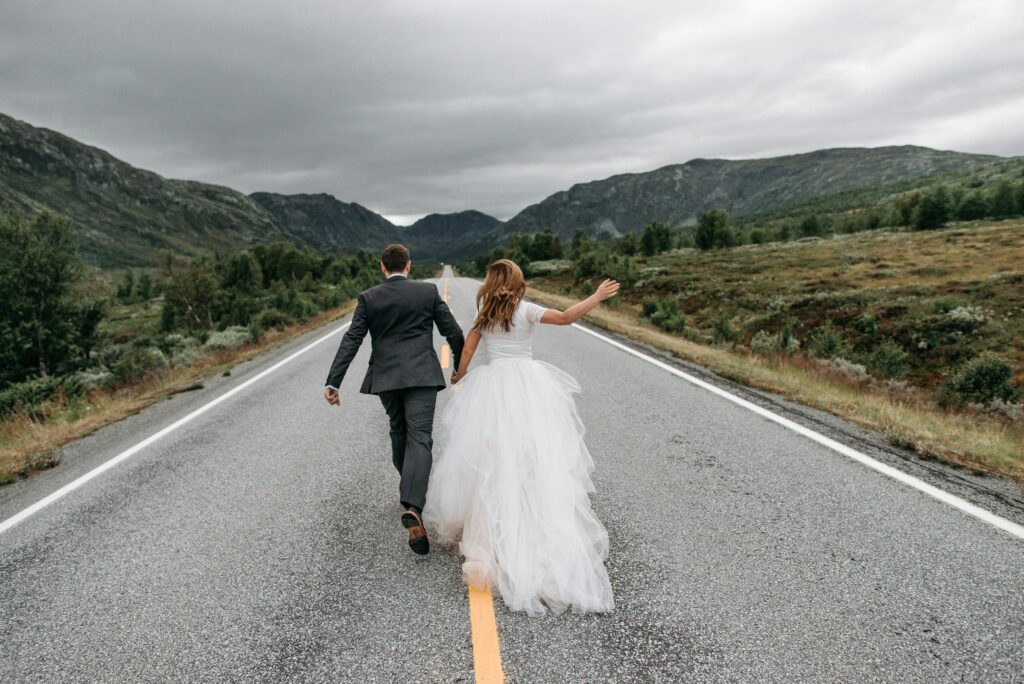
Whisk Away: Planning A Spontaneous Elopement You’ve found the one, and the excitement of planning your forever together is bubbling over. As you start with the process of wedding planning, consider this – what if you could trade the grandeur of a traditional ceremony for the thrill of a spontaneous elopement? Imagine saying “I do” in an intimate setting, just the two of you, surrounded by the beauty of the moment. In this guide, we’ll share essential elopement planning tips, making it a magical experience that fits perfectly with your love story. How Do I Start Planning An Elopement? Just like any other significant event, a memorable elopement begins with thoughtful consideration and planning. Here’s how you can kick off your spontaneous elopement: Reflect on Your Vision: Take a moment to envision your ideal elopement. Do you see yourselves on a mountaintop, by the beach, or in a charming city square? Imagine the atmosphere and surroundings that truly capture the essence of your love story. Define Your Budget: While spontaneous elopements are often more budget-friendly than traditional weddings, it’s crucial to set a realistic budget. Consider expenses such as travel, accommodation, and any special touches you desire. This step ensures that your dream elopement stays within reach without any financial stress. Select a Meaningful Location: Choose a location that holds significance for both of you. It can be where you first met or a destination you’ve always dreamed of– make it uniquely yours. The place you pick sets the stage for an intimate and personal ceremony, turning it into a memory that will last a lifetime. Remember that this is about creating a day that authentically represents your love. From envisioning your dream setting to considering your budget and choosing a meaningful location, each step brings you closer to a magical celebration tailored just for you. How Do You Structure an Elopement? Structuring your elopement ensures that it flows smoothly and creates lasting memories. Here’s a simple guide to help you structure the day: Plan the Ceremony: Decide on the type of ceremony you want, whether it’s a traditional exchange of vows or something more personalized. Think about the words you’ll say to each other, creating a ceremony that feels true to your hearts. Consider hiring an officiant or asking a close friend to perform the ceremony, adding a personal touch to the most significant moment of your day. Capture the Moment: Don’t forget the importance of photography or videography. These memories will last a lifetime, so hire a professional or ask a talented friend to document your special day. Every smile, every glance, and every tender moment deserves to be captured, ensuring you can relive the magic for years to come. Celebrate Afterwards: Whether it’s a quiet dinner for two or a small gathering with close friends and family, plan a celebration that reflects your style and preferences. This is a time to savor the joy of your commitment and share it with those closest to you. Choose a setting and activities that resonate with your love story, making the post-ceremony celebration as memorable as the ceremony itself. Structuring your elopement allows you to create a day that not only celebrates your love but also leaves you with cherished memories. Each step contributes to the uniqueness of your elopement. What is Elopement Etiquette? Even in the spontaneity of elopement, etiquette plays a role in ensuring a respectful and joyous occasion. Consider these etiquette tips: Inform Closest Loved Ones: While elopements are intimate, consider informing your closest family and friends beforehand. Share the news in a personal and thoughtful way to maintain the connection. Thank-You Notes: After the elopement, send thank-you notes to those who knew in advance or those who have supported your relationship. Express your gratitude for their understanding. Consider Virtual Inclusion: If some loved ones can’t be physically present, consider incorporating virtual elements. Set up a video call or share a live stream link, allowing them to witness your vows in real time. This thoughtful gesture ensures they can still be a part of your special day, no matter the distance. Respect Local Customs: If you’re eloping to a destination with specific customs or traditions, take the time to understand and respect them. Whether it’s a small gesture or incorporating elements into your ceremony, it adds a thoughtful touch and shows appreciation for the local culture. Etiquette adds a layer of warmth and consideration to your elopement celebration. By following thoughtful gestures and expressing gratitude, your elopement becomes not only a personal milestone but a shared joy with those who matter most. What Do You Say During An Elopement? The words you exchange during your elopement are the heart of the celebration. Here are some simple tips to guide you: Write Personal Vows: Take the time to write personal vows that express your love and commitment. This intimate moment is a chance to speak from the heart. Share your promises and dreams for the future, creating a connection that goes beyond words. Include Meaningful Readings: Incorporate readings or quotes that resonate with your relationship. Whether it’s a favorite poem or a line from a shared movie, these touches add depth to your ceremony. Choose words that reflect your journey together and the love you feel, making the moment uniquely yours. Express Gratitude: Take a moment during the ceremony to express gratitude. Thank each other for the love and support you’ve shared, and appreciate the uniqueness of your relationship. This simple act adds a heartfelt touch to the vows, reinforcing the bond you’re celebrating. Share a Funny Memory: Inject a bit of humor by sharing a funny memory or inside joke. Laughter can lighten the atmosphere, creating a joyful and memorable elopement experience. It’s a reminder that your love is built on moments of joy and shared laughter. Speak from the Heart: Above all, speak from the heart. Let your words be genuine and true to your feelings. Whether it’s a simple “I love you” or a
Wedding Guest List Simplified: Managing Virtual RSVPs

Wedding Guest List Simplified: Managing Virtual RSVPs Imagine saying “I do” with loved ones joining in from across the globe, virtually sharing your special day. In the age of virtual connections, hosting a wedding online has become not just a trend but a practical solution for many couples. Let’s go over creating a wedding guest list. Why Opt for a Virtual Wedding? When people are far away from each other, a virtual wedding is like a magical way to bring everyone closer. It lets you make special memories with your loved ones, even if they can’t be there in person. As you plan to say “I do” in the digital world, think about the special chances and connections a virtual wedding can give you. Bringing People Closer: Virtual weddings are like a bridge, connecting people no matter where they are. Even if your family and friends are far away, they can still be a part of your big day. Creating Memories: Virtual weddings help in making memories that last, capturing moments with the people you care about. It’s a way to share joy with everyone, even if they can’t physically be by your side. Including Everyone: With a virtual wedding, you can include friends and family who might not be able to come in person. It’s about making sure no one is left out, celebrating together despite the physical distance. A virtual wedding opens doors to special connections and shared moments. It’s a way to say yes to love, no matter where your loved ones are. So, as you think about your wedding plans, consider the beautiful chances a virtual celebration can bring to your love story. How Do I Invite People to My Virtual Wedding? When it comes to inviting guests to your virtual wedding, the process is a bit different from traditional methods. Here’s a step-by-step guide to ensure your virtual guest list is as fabulous as your in-person one: Create a Wedding Website: Design a personalized wedding website that includes essential details. Share the website link on your physical invitations or save-the-date cards. Utilize Online Invitations: Opt for digital invitations that align with your wedding theme. Choose platforms like Evite, Paperless Post, or create custom invites. Leverage Social Media: Share the news on your social media channels. Create private groups for detailed updates and coordination. Email Invitations: Craft a thoughtful email with the wedding details. Attach a visually appealing invitation or include a link to the wedding website. Remember, the goal is to make the invitation process seamless and accessible for all your guests, regardless of their tech-savviness. Is It OK to Have Wedding Guests RSVP Online? In the era of digital dominance, online RSVPs have become not just acceptable but preferable for many couples. Here’s why embracing virtual RSVPs is a fantastic idea: Convenience for Guests: Online RSVPs are quick and easy for guests. They can respond at their convenience, eliminating the need for postal delays. Real-Time Updates: Receive instant notifications when guests RSVP. Get accurate headcount’s for catering and seating arrangements. Environmentally Friendly: Reduce paper waste by going digital. Embrace an eco-friendly approach to wedding planning. Efficient Data Management: Store and organize RSVP data effortlessly. Access real-time information, making last-minute changes more manageable. The shift to online RSVPs not only streamlines the process but also adds a modern touch to your wedding preparations. How Do I Make a Wedding Guest List? Crafting a wedding guest list is an art that involves balancing relationships, space constraints, and your budget. Here’s a guide to help you create a guest list that reflects your love story: Start with Priorities: List immediate family and close friends first. Consider extended family and friends based on the venue’s capacity. Be Realistic: Assess your budget and venue size to determine the number of guests. Be prepared to make tough decisions if the list exceeds your limits. Categories Help: Divide guests into categories like family, friends, colleagues. Allocate a percentage of guests to each category to maintain balance. Consult Your Partner: Collaborate with your partner throughout the process. Ensure both sides have representation in the final list. Creating a wedding guest list requires thoughtful consideration, but with a systematic approach, you can strike a harmonious balance. What Should Be Included in a Virtual Wedding Invitation? Crafting the perfect virtual wedding invitation involves more than just pretty graphics. Here’s a checklist to ensure your online invitations are both captivating and informative: Essential Details: Date, time, and location (virtual platform details). Wedding website link for additional information. Dress Code and Theme: Specify the dress code or any theme-related details. Ensure guests feel connected to the celebration’s vibe. RSVP Instructions: Clearly outline the RSVP process and deadline. Include a direct link or button for online RSVPs. Gift Registry Information: If applicable, share your gift registry details. Make it easy for guests to choose thoughtful gifts. Crafting a virtual wedding invitation is an art that combines creativity with practicality. Ensure your guests feel excited and well-informed about your big day. Crafting a Captivating Virtual Wedding Invitation: Your virtual wedding invitation serves as the gateway to your celebration, setting the tone for the joyous occasion. Let’s explore the essential elements that should grace your digital invitations: Engaging Visuals: Choose aesthetically pleasing graphics that reflect your wedding theme. Ensure the overall design aligns with the atmosphere you want to create. Heartfelt Message: Personalize your invitation with a warm and inviting message. Share your excitement and convey the significance of their presence, even in the virtual space. Technical Details: Clearly outline the virtual platform and login instructions. Include any necessary passwords or access codes to ensure a smooth connection. Interactive Elements: Encourage engagement with interactive elements like polls or a virtual guestbook. Foster a sense of connection despite the physical distance. Remember that creativity and functionality can harmoniously coexist, leaving a lasting impression on your guests. Virtual Guest List Etiquette When it comes to planning a virtual celebration, understanding guest list etiquette is like creating a roadmap for
Virtual Vows: Planning Your Dream Online Wedding
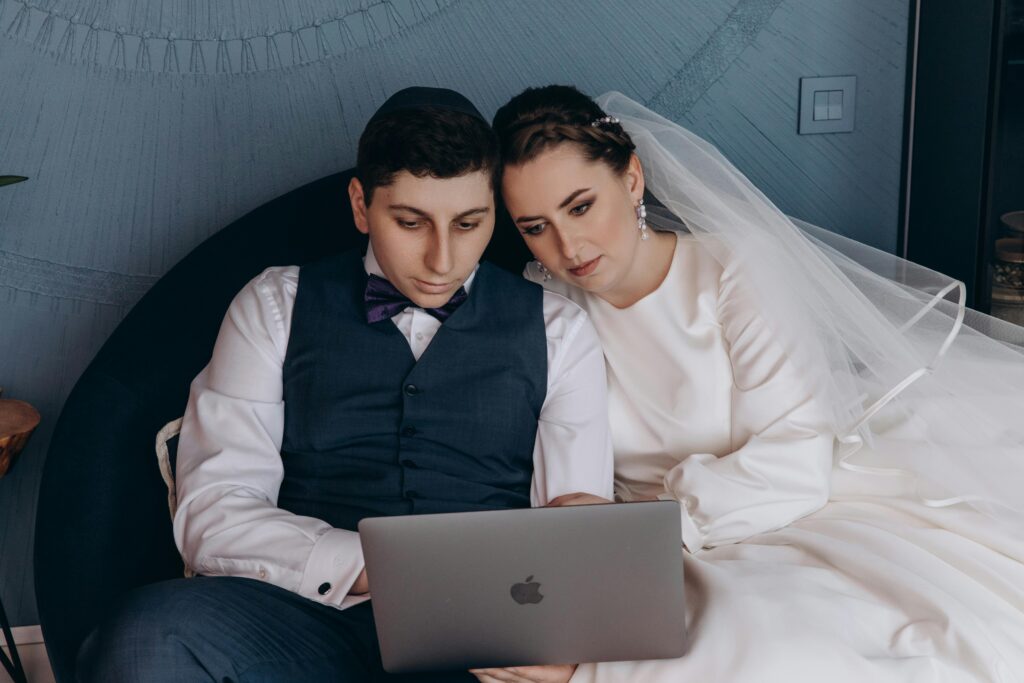
Virtual Vows: Planning Your Dream Online Wedding Ever dreamt of saying “I do” in your pajamas with your favorite furry friend as the witness? Well, virtual weddings are making it happen! Before you scoff and think it’s just another Zoom meeting, let’s discuss the basics of getting married online. What Are the Benefits of Online Weddings? Before we get to the tips on how to get married online, let’s explore the perks of virtual weddings! Here’s a quick look at the benefits that might just make you fall in love with the idea. Flexibility: Online weddings offer the flexibility to choose a time and place that suits you and your partner. No need to worry about traditional venue constraints! Global Guest List: With virtual weddings, you can invite friends and family from across the globe, making it a truly international celebration. Cost-Effective: Skip the hefty venue fees and travel expenses. Online weddings often come with a smaller price tag, leaving you with more funds for your honeymoon or other special plans. Personalization: From virtual backdrops to customized ceremonies, online weddings allow you to add a personal touch, making the event uniquely yours. Legal Recognition: Many places recognize the legality of virtual weddings, providing a convenient and official way to tie the knot. Online weddings bring flexibility, global connections, cost savings, personalization, and legal recognition to the table. It’s a modern approach to love that opens up new possibilities for creating your perfect wedding day! What Paper Do You Get When You Get Married? You might be thinking, “Is there an e-wedding certificate?” Well, kind’ve yes, and kind’ve no! When you get married, you’ll still have something tangible to show for it. In the digital age, we’re all about blending the virtual with the physical. You’ll receive a digital copy of the marriage certificate, along with a charming physical piece of paper that officially seals the deal – yes, you will receive both. It’s like a diploma in the school of love, and trust us, it’s Instagram-worthy. How Do I Process a Marriage Certificate? Processing a marriage certificate doesn’t involve complex incantations or secret handshakes. It’s surprisingly simple! First things first, you’ll need to fill out the necessary paperwork – no escaping that, even in the virtual world. Keep your details handy, then, submit the forms to the appropriate online authority. Voila! You’re on your way to having your love officially recognized. Planning your virtual wedding is as exciting as planning a traditional one, with a dash of modern flair. In the next section, we’ll discuss tips on creating the ultimate online wedding experience! Bringing Your Virtual Wedding to Life Now that you’ve got the basics down, let’s talk about the star of the show – the virtual ceremony. It’s not just about setting up your laptop and hitting the record button. Your digital “I do” deserves a touch of magic. Consider creating a virtual backdrop that reflects your story – maybe where you first met or your dream vacation spot. Add a sprinkle of romance to your online nuptials, making it an unforgettable experience for you and your guests. Virtual Toasts and Celebrations One of the perks of virtual weddings is the ability to have a global guest list without worrying about venue size. Your college friend in Paris or your cousin in Tokyo can now join the celebration. Plan virtual toasts and interactive games to keep the energy high. Don’t forget to send out e-invitations – it’s like getting a wedding invitation, but with a modern twist. The Rings and Things Exchanging rings in the virtual realm might seem a tad tricky, but worry not. Consider mailing symbolic rings to each other beforehand, or opt for a virtual ring exchange ceremony. It’s a heartfelt moment that bridges the physical gap, reminding you both that love knows no boundaries, even in the digital world. Ensuring Legitimacy Wondering about the legalities of getting married online? Fear not, lovebirds; it’s a real deal. Many jurisdictions recognize virtual weddings, and yes, they’re legally binding. However, it’s crucial to check your local regulations. Some areas might require additional steps or have specific guidelines. Just like any adventure, a bit of preparation ensures a smooth journey. So, make sure your virtual wedding is not just memorable but legally sound. As you infuse your virtual ceremony with personalized backdrops and sprinkle it with romance, remember that the magic lies in the details. While ensuring the legitimacy of your online marriage is essential, the beauty of virtual weddings extends to global celebrations, interactive toasts, and even the unique charm of exchanging rings in the digital space. Personalizing the Virtual Experience Now that you’ve got the logistics sorted, let’s focus on making your online ceremony uniquely yours. Personalization is the key to turning a virtual event into an intimate celebration. Choose a platform that allows customization, from virtual decorations to music playlists. Your favorite song playing in the background as you exchange vows? Sounds like a plan! Ensuring a Glitch-Free Affair Virtual weddings might not have the same tech demands as a SpaceX launch, but a smooth online ceremony is still the goal. Conduct a tech rehearsal with your officiant and close friends to iron out any potential glitches. Check your internet connection, camera angles, and microphone settings. You wouldn’t want buffering issues interrupting your “I do” moment, right? Virtual Wedding Photography While your guests may not be physically present, you can still capture beautiful moments from your virtual wedding. Hire a virtual photographer or designate a tech-savvy friend to capture screenshots. These snapshots will be cherished memories, and you can create a digital wedding album to share with friends and family who couldn’t attend. Virtual Honeymoon Planning Now that you’re officially hitched in the virtual realm, it’s time to plan a digital honeymoon. Explore virtual travel experiences, take online cooking classes together, or binge-watch your favorite series simultaneously. It’s all about finding creative ways to connect, even when physically apart. Embrace
Perfecting Your Wedding Plan: The Essential Checklist

Perfecting Your Wedding Plan: The Essential Checklist Planning a wedding is exciting yet discouraging, overflowing with anticipation and emotions. Amidst the excitement, the task of arranging countless details appears significant. Welcome to the wedding planning checklist: more than just a list, it’s your trusted companion, offering structure and ensuring no crucial element is overlooked. With each item checked off, you move closer to realizing your dream day. So, let this wedding plan be your guiding light, illuminating the path to your happily ever after. Setting the Groundwork Determining the Budget In the wedding plan, setting a budget is important. It’s the roadmap for decision-making, guiding you through every choice. Assess resources, including savings and family contributions, then allocate funds to venues, catering, attire, and entertainment. Prioritize dreams within means to strike a perfect balance. Organizing Your Wedding Timeline After finalizing the budget, the next step is to establish a wedding timeline. This guide ensures key milestones, such as booking the venue, sending out invitations, and finalizing vendor contracts. Setting deadlines for each task will help keep you on track and prevent last-minute scrambling. Choosing and Securing Your Wedding Vendors Finding and booking vendors is an essential step, requiring meticulous attention to detail. Research vendors aligned with your vision, compile recommendations and attend expos for consultations. Review portfolios, negotiate contracts, and secure bookings to confirm services. Clear communication and written agreements are essential for a smooth collaboration. Booking the right vendors ensures your dream wedding becomes a reality, with each playing a vital role in crafting an unforgettable celebration. Building Your Dream Wedding Exploring Various Themes Exploring various themes allows your imagination to run wild as you envision the possibilities. Consider your personal preferences, interests, and the overall atmosphere you wish to create. Whether it’s a romantic garden affair, a vintage-inspired celebration, or a modern minimalist event, there’s a theme to suit every couple’s unique style. Take the time to research and gather inspiration, exploring color palettes, decor elements, and design motifs that align with your vision. Bridal Wear and Accessories When selecting a bridal wear and accessories, one essential task is assembling the perfect outfit for the bride, groom, and bridal party. It’s a blend of excitement and challenge. Begin by scheduling appointments at bridal boutiques or formalwear stores, allocating plenty of time to explore various styles. Factors like venue, season, and theme should guide your choices. Involve the bridal party in the selection process to ensure everyone feels comfortable. After choosing the main attire, focus on accessories like ties, cufflinks and other items that complement your outfits. Planning the Wedding Ceremony and Reception Planning the Ceremony The wedding ceremony is a deeply meaningful and cherished moment, and careful planning ensures that it reflects your values and desires. It’s a time to honor your commitment to each other and celebrate the journey you’re about to live together: Deciding on the Type of Ceremony: Choose between traditional, secular, or culturally fused ceremonies. Visualize how each aligns with your values. Consult with your officiant to craft a meaningful ceremony manifesting your love. Organizing the Ceremony: Arrange seating and communicate roles with wedding parties and vendors. Planning the Reception The wedding reception is a time for celebration, and careful planning ensures that it runs smoothly and creates a joyful atmosphere for you and your guests. It’s a chance to create lasting memories with your nearest and dearest as you enjoy the celebrations together: Planning the Reception Timeline: Ensure a harmonious flow of events by planning out the reception, from cocktails to dancing. Coordinate speeches, toasts, and special dances, allocating time for each. Work with vendors to guarantee everything runs smoothly. Arranging Necessary Rentals and Services: Select tables, chairs, linens, and lighting to match your wedding style. Consider extras like a dance floor or photo booth. Coordinate with your venue or planner to set up rentals. Working on the Details Bridal Stationery and Invitations Your wedding stationery sets the tone for your special day and provides essential information to your guests. Select fonts, colors, and imagery that resonate with your style and personality. Include all necessary details, such as the date, time, venue, and any additional information guests need to know. By carefully crafting your invitations, you set the stage for a memorable celebration that your guests won’t soon forget. Managing the Guest List Making a guest list for your wedding plan goes beyond sending invitations. It involves following proper etiquette, managing replies, and ensuring guests feel welcomed. Keep track of their contact info, acknowledgments, and any special needs. Making use of the different wedding management tools can help to stay organized. Wedding Day Arrangements Transportation In your wedding plan, transportation is necessary to ensure everyone arrives punctually and elegantly. Organizing limousines, shuttles, or car services for the wedding party and guests, especially with multiple venues, is essential. Organize with providers to confirm details like pick-up, drop-off, and any special requests. Smooth transportation logistics allow you to fully enjoy your special day without worries. Wedding Run-through For an effective wedding plan, organizing a rehearsal is important. Gather the wedding party, officiant, and readers to run through the ceremony. Clarify cues and address concerns to ensure a smooth progression on the wedding day, easing potential confusion or nervousness. Conclusion As your wedding day approaches, it’s important to reflect on the journey you’ve taken to plan this exciting occasion. From setting the foundation with a clear budget and timeline to finding the perfect vendors and designing your dream wedding, you’ve relied on your wedding planning checklist. Now, as you prepare to exchange vows and celebrate with loved ones, take a moment to savor the anticipation and excitement of the day ahead. Remember to prioritize self-care and enjoy every precious moment as you step into this new chapter together. Congratulations and best wishes for a lifetime of happiness! Get Married Online Get married online with Distant Weddings. We’ll guide you step by step through our 3-step process, ensuring the
Online Marriage Certificate vs. Traditional Methods

Online Marriage Certificate vs. Traditional Methods Congratulations on taking the leap into marriage together! As you start wedding planning, there’s one aspect that often gets overshadowed by the thrill of choosing venues and deciding on the perfect dress—the marriage certificate. In the modern age, getting this important document has changed. Now, couples can choose between the traditional way or the new way of getting an online marriage certificate. Ever wondered about the fastest, easiest way to tie the knot officially? Or pondered the difference between a marriage certificate and a marriage license? In this comprehensive guide, we’ll explore the world of marriage certificates, breaking down the pros and cons of online and traditional methods. What is the Fastest Easiest Way to Get Married? Everyone dreams of a seamless and stress-free wedding process. Here’s a glimpse into the fastest and easiest ways to say “I do.“ Courthouse Ceremonies: Opting for a courthouse wedding is often a quicker route, offering simplicity and efficiency. Destination Weddings: Some locales make it easy to tie the knot swiftly, combining the ceremony and honeymoon in one delightful package. Online Ceremonies: In our interconnected world, virtual weddings have become a trend, allowing couples to exchange vows online with loved ones tuning in from anywhere. These wedding process options provide diverse paths to your dream ceremony. Each option promises a unique and memorable journey to saying “I do.” Can We Process a Marriage Certificate Online? Yes, you can absolutely process a marriage certificate online. Obtaining your marriage certificate online is a modern and convenient option for couples planning to tie the knot. Here are the possibilities of processing this crucial document online. Streamlined Process: Online platforms offer a simplified process, allowing you to complete necessary steps from the comfort of your home. 24/7 Accessibility: Forget about office hours—online services are available around the clock, accommodating your busy schedules. Efficiency: The online route often expedites the processing time, ensuring you get your marriage certificate promptly. Convenience: Online platforms allow you to navigate the process at your own pace, eliminating the need for in-person visits or waiting in long lines. Document Security: Digital certificates often come with advanced security measures, ensuring the confidentiality and integrity of your personal information. Easy Updates: If you ever need to update or request additional copies of your marriage certificate, online services make the process hassle-free, saving you time and effort. Choosing the online route can make the journey to your marriage certificate easier and faster, providing you with more time to focus on the joy of your upcoming union. What is the Difference Between a Marriage Certificate and a Marriage License? Before we go deeper into the details, let’s clarify the distinction between a marriage certificate and a marriage license. Marriage License: Think of this as your ticket to legally get married. It’s obtained before the wedding and authorizes the ceremony to take place. Marriage Certificate: Once the vows are exchanged, the marriage certificate is the official document proving that the marriage is legally recognized. It’s what you’ll need for various purposes, from changing your name to filing taxes jointly. The choice between a marriage license and a marriage certificate is crucial for your journey. The license is like your ticket to the wedding, while the certificate is the official proof of your legally recognized union, needed for various purposes in your married life. Pros and Cons of Traditional Methods The traditional way of obtaining a marriage certificate means in-person processing. While these methods carry a sense of nostalgia, they come with their own set of advantages and disadvantages. Pros: In-Person Assistance: Seeking guidance from officials in person provides a level of assurance and clarity. Physical Documentation: Some prefer the tangible aspect of physically signed and stamped certificates. Cons: Time-Consuming: Traditional methods often involve more time-consuming processes, leading to delays. Geographical Constraints: Couples might face challenges if they reside in different locations or if their preferred venue is in another jurisdiction. In weighing the pros and cons of traditional methods, it’s essential to remember that in-person processing brings both advantages and disadvantages to the table. What Are the Requirements to Get Married Online? Online marriages have gained popularity for their accessibility. However, there are specific requirements you must meet to ensure a legally binding union. Legal Jurisdiction: Understand the legalities of the jurisdiction where you plan to marry online, as regulations vary. Valid Identification: Both partners will need 1 form of Legal Government issued ID (passport, drivers license, or state ID’s work great). Officiant Requirements: Ensure your chosen online officiant is legally recognized to solemnize marriages. Internet Connection: A stable internet connection is crucial for completing the online application process. Consent and Understanding: Both partners must consent to the marriage, and they should fully understand the legal implications. Payment: Online services may require a fee for processing, so be prepared to make a secure online payment. As you go through the process together, it’s essential to weigh the pros and cons of both online and traditional methods. Consider your preferences, timeline, and any legal requirements specific to your chosen location. Obtaining an Online Marriage Certificate: A Step-by-Step Guide Now that we’ve explored the basics of marriage certificates and the pros and cons of traditional and online methods, let’s talk about the specifics of obtaining an online marriage certificate. Step 1: Research and Choose a Reputable Platform Check Legitimacy: Ensure the online platform you choose is recognized and authorized to issue marriage certificates in your jurisdiction. Read Reviews: Look for reviews and testimonials from other couples who have used the service to gauge its reliability. Step 2: Create an Account and Complete the Application User-Friendly Interface: Most online platforms pride themselves on user-friendly interfaces. Create an account and fill out the necessary information. Provide Required Documents: Scan and upload any required documents, such as identification, to complete the application. Step 3: Pay the Processing Fee Transparent Fees: Online platforms typically have transparent fee structures. Pay
Handling Misunderstandings: LDR Relationship Tips

Handling Misunderstandings: LDR Relationship Tips Getting married is a really exciting time! It’s when you make promises to each other, dream about the future, and share special moments. But for some couples, there’s a challenge called a LDR relationship (Long-distance relationship). As you get ready to tie the knot, the idea of being far away from each other might seem scary. But don’t worry! This article has helpful LDR relationship tips and caring advice to help you keep a strong and happy connection even when you’re far apart. Can Long-Distance Relationships Last? The question looming in the minds of many couples contemplating a long-distance relationship is whether it can stand the test of time. The answer is a resounding “yes,” but success requires effort from both partners. Consider the following factors: Commitment: Commitment is the glue that holds a long-distance relationship together. It shows a dedication to making the relationship work despite the challenges of distance. Communication: Open and honest communication is the lifeline of any relationship, especially in a long-distance setting. It builds trust, understanding, and emotional connection. Setting Clear Goals: Establishing common goals provides a roadmap for the future. It creates a sense of security and purpose, making the long-distance journey feel more manageable. Fostering Individual Growth: Personal development ensures that both partners are content and fulfilled independently. A thriving relationship is built on individuals who bring happiness to the table. These factors work in harmony to cultivate a lasting long-distance relationship by strengthening emotional bonds, providing direction, and ensuring the well-being and growth of both individuals involved. How Do I Cope With a Long-Distance Relationship? Long-distance relationships come with their unique set of trials, but with the right mindset and strategies, you can not only cope but also strengthen your bond. Here are some tips to help you navigate the distance: Communication is Key: Establish open and honest communication from the start. Share your feelings, concerns, and daily experiences to bridge the emotional gap. Virtual Dates: Embrace technology to create virtual date nights. Watch a movie together, play online games, or simply video call while cooking the same recipe. Finding ways to share activities fosters a sense of togetherness. Trust and Transparency: Build trust by being transparent about your schedules and commitments. Knowing each other’s routines helps in avoiding misunderstandings and nurtures a foundation of trust. Celebrate Achievements Together: Whether big or small, celebrate each other’s achievements, milestones, and successes. Sharing in each other’s joys, even from a distance, helps strengthen your emotional connection. Create Shared Goals: Plan for the future by establishing shared goals. This could include travel plans, career aspirations, or personal growth objectives. Having common goals gives your relationship a sense of direction and purpose. Stay Positive and Patient: Patience is key in a long-distance relationship. Stay positive, focus on the good moments, and be patient with each other as you navigate the challenges. A positive mindset contributes significantly to the success of your relationship. Learn Each Other’s Love Languages: Understanding and respecting each other’s love languages can enhance your connection. Whether it’s words of affirmation, acts of service, or quality time, tailoring your expressions of love to your partner’s preferences strengthens the emotional bond. Every effort you put into maintaining your long-distance relationship brings you one step closer to a stronger, more resilient connection. How Do You Show Love in a Long-Distance Relationship? Expressing love and affection in an LDR requires creativity and intention. Here are some heartfelt ways to keep the flame of love burning bright across the miles: Send Surprise Gifts: A surprise package or letter in the mail can bring immeasurable joy. Knowing that your partner took the time to choose something special can make the distance feel smaller. Words of Affirmation: Regularly express your love through words of affirmation. Simple “I love you” messages or thoughtful compliments can go a long way in nurturing emotional closeness. Shared Goals: Find common interests and goals that you can pursue together, even from a distance. It could be reading the same book, learning a new skill, or planning future adventures. Celebrate Milestones: Whether it’s your monthly anniversary or a personal achievement, celebrate milestones together, even if it’s through a virtual toast or a shared online experience. Love in a long-distance relationship thrives on thoughtful gestures, open communication, and shared aspirations. By consistently nurturing these elements, you can keep the flame of love burning bright across the miles, making their connection resilient and meaningful. How Often Should I See My LDR Partner? The frequency of visits in a long-distance relationship depends on various factors, including distance, work commitments, and financial considerations. Striking a balance is crucial: Create a Visitation Plan: Collaboratively plan visits based on both of your schedules. Having a tentative schedule for visits helps in managing expectations and gives you both something to look forward to. Quality Over Quantity: While frequent visits are ideal, prioritize the quality of your time together over the quantity. Make each visit special and memorable, focusing on creating shared experiences. Utilize Technology: In between visits, make the most of technology to stay connected. Regular video calls, messages, and shared moments through pictures help bridge the gap between physical meetings. Every challenge is an opportunity to strengthen your bond and create a love story that triumphs over distance. In the next installment, we’ll delve deeper into the emotional aspects of maintaining intimacy and trust in an LDR. Overcoming Challenges Together Long-distance relationships aren’t without their challenges, but facing them as a team strengthens your connection. Here’s how to tackle common hurdles: Time Zone Management: If you’re dealing with different time zones, establish a schedule that works for both of you. Plan overlapping times for calls and video chats to maintain regular communication. Handling Misunderstandings Gracefully: Misunderstandings are inevitable, but how you handle them can make all the difference. Approach conflicts with empathy, actively listen to your partner’s perspective and work together to find resolutions. Support Each Other’s Independence: Encourage and support each other’s
The Ultimate Guide to Changing Your Name After Marriage

The Ultimate Guide to Changing Your Name After Marriage Amidst all the excitement and joy of saying “I do” and celebrating with loved ones, there’s more to consider beyond the wedding cake and honeymoon destinations. One question that often arises after the festivities settle is: “What happens to my name?” You can use your partner’s last name, keep yours, or make a new one together. Whichever option you choose, figuring out how to change your name after getting married can be challenging. Fear not! In this guide, we’ll help you understand the process, answer your burning questions, and offer step-by-step guidance on how to make your new name official. Does Your Name Automatically Change When You Get Married? One of the common misconceptions about marriage is that your name automatically changes once you exchange vows. However, this is not the case. While marriage may come with a range of legal benefits and responsibilities, a name change isn’t typically one of them. In other words, if you want to adopt your partner’s surname or opt for a different name, you’ll need to go through a specific process separate from the actual marriage to make it official. How Do You Legally Change Your Name After Marriage? Changing your name after marriage involves a series of steps to ensure that government agencies, financial institutions, and other organizations recognize your new name. Here’s a simplified breakdown of the process: Step #1 – Obtain a Certified Marriage Certificate: The first step in changing your name is obtaining a certified copy of your marriage certificate. This document serves as proof of your legal union and is essential for updating your name on various forms of identification. Step #2 – Update Your Social Security Card: Your Social Security number is a unique identifier, composed of nine digits, serving both identification and taxation purposes. According to all federal and state entities, your identity is associated with the name registered with the SSA (Social Security Administration). If your new name doesn’t match the name on your SSA records at the time of applying for a new driver’s license or passport, your name change application will likely be denied. To obtain a new Social Security card, you have the option to apply either by mail or in person. For those opting for in-person applications, it’s helpful to locate the nearest Social Security office (click here for locations). Completing the application beforehand can streamline the in-person process. Updating your Social Security card is free, but you’ll need to provide the following documents during your appointment: Proof of name change – If you’re just changing your name to your fiancé’s/ spouse’s last name, a certified copy of your marriage certificate will work great. Proof of citizenship – A valid passport, birth certificate, or a certified copy of the birth certificate. Valid photo identification – A driver’s license, unexpired passport, military ID, or a state-issued ID card will work. Your ID will have your current last name, which is normal and not a problem. Your current Social Security card – Your social security number will stay the same after your name change. For non-U.S. citizens transitioning to permanent U.S. residency post-marriage, additional document requirements and steps in the Social Security process are outlined in this link. Step #3 – Update Your Driver’s License or State ID: After updating your Social Security card, it’s time to update your Drivers License or State ID (military ID’s are acceptable as well). In order to update your name with banks, credit cards, etc., it’s likely that you’ll need to provide an ID with your newly updated name. Tip: It’s best to allow at least 24 hours to pass after updating your name with the Social Security Administration before you attempt to update your name on your driver’s license. This delay ensures that federal databases have enough time to process your Social Security name change, allowing for smooth verification at the state level. Even better would be to wait until you’ve received your new Social Security card in hand, as to eliminate any chance of questioning. With your updated Social Security card, visit the Department of Motor Vehicles or equivalent agency in your state to update your driver’s license or state ID (this must be done in person). In many states, a name change is treated as a part of the license renewal procedure. Therefore, it’s recommended to complete the license renewal forms ahead of time to save time at your visit. You’ll need the following items when changing your name at the DMV: Your updated Social Security card or a receipt from the Social Security office. Proof of your address if your state mandates it (such as a utility bill, bank statement, insurance paperwork, lease agreement, or mortgage papers). An official copy of your marriage certificate, (which will be given back to you). Various payment methods. Since some locations may not take credit cards, it’s wise to carry cash or a checkbook as alternatives. Step #4 – Update Your Passport If you plan on traveling outside of the US for your honeymoon, then it may be worth waiting until you’ve updated your passport. The ID you travel with needs to match the name on your boarding pass (this is typically a passport when traveling internationally). If your boarding pass and updated passport have different names (one with your original, and the other with your updated name), then you likely won’t be able to board the flight. Changing your name on a passport is treated as a correction, and must be submitted via mail. The U.S. Department of State offers an online tool to assist in selecting the correct form based on your situation. Then, send the following items to the National Passport Processing Center: The completed DS-5504 or DS-82 form An official copy of your marriage certificate Your current passport A payment check for the applicable fee. The check should be made out to “The U.S. Department of State,” with your full name and