
Can You Get Married Online Legally in 2026? (Complete Guide)
Not long ago, getting married meant booking a venue, standing in line at a courthouse, or planning months. Today, things look very different. Couples are now asking a much simpler question: Can you get married online legally?
In 2026, the answer is yes. In certain jurisdictions, couples can now get married online legally through a structured digital process. What once sounded unconventional has become a practical option for modern relationships.
From long-distance couples to those who just want to skip the stress, online marriage is no longer a niche idea. It is becoming a mainstream alternative.
What Does It Mean to Get Married Online?
Let us clear one thing first. Getting married online does not mean skipping legal rules or doing something informal. It simply means that parts of the marriage process, including the ceremony, happen digitally.
In a typical online setup:
- The couple applies for a marriage license online
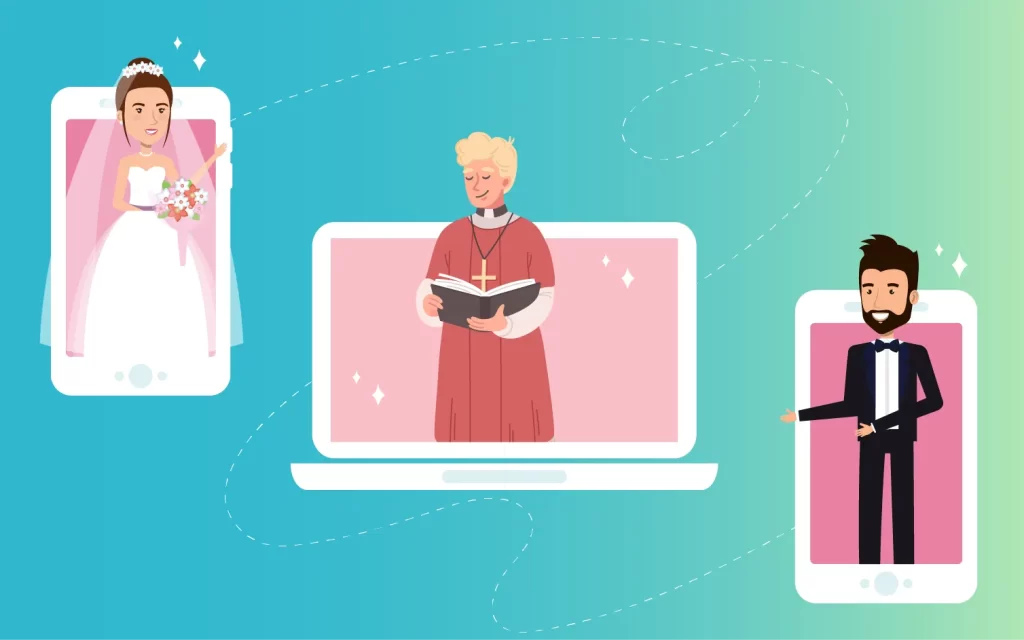
- A virtual ceremony is conducted through video
- A legal authority records the marriage
- The couple receives their marriage certificate online
So yes, you can get married online, but only through authorised systems that meet legal requirements.
Is It Legal to Get Married Online in 2026?
This is the most important question, and the answer depends on where the marriage is being performed. Some jurisdictions, such as the U.S. state of Utah, allow fully legal online marriages. These marriages are conducted through approved systems where:
- The officiant is authorised
- The ceremony is recorded
- Legal documentation is processed digitally
Because of this structure, couples can get married online legally without visiting a courthouse. To understand the scale of marriage services, consider this:
According to the Centers for Disease Control and Prevention, over 2 million marriages take place each year in the United States, highlighting the ongoing demand for accessible and efficient marriage systems.
This demand is one of the reasons online marriage solutions have grown so quickly.
Where Can You Get Married Online Legally?
Not every country allows fully online marriages, but some jurisdictions have become global hubs for virtual weddings. The most recognised example is Utah in the United States. Their system allows couples from anywhere in the world to:
- Apply for a marriage license online
- Attend a virtual ceremony
- Receive official documentation
This has made it possible for international couples to get married online legally, even if they are in different countries.
How to Get Married Online: Step-by-Step
The process is simpler than most people expect. While details may vary slightly, the general steps remain consistent.
Step 1: Choose a Trusted Platform
Start by selecting a reliable service like Distant Weddings, which helps manage the legal and logistical side of the process.
Step 2: Apply for a Marriage License
Both partners submit identification and required details through an online application.
Step 3: Schedule the Ceremony
Once approved, you can book a virtual wedding ceremony at a convenient time.
Step 4: Attend the Online Wedding
Join a secure video call with an officiant and witnesses. The ceremony is conducted just like a traditional one, minus the travel.
Step 5: Receive Your Certificate
After the ceremony, the marriage is recorded and you receive your marriage certificate online.
For many couples, this entire process can be completed within a day or two.
Why More Couples Are Choosing Online Marriage
Online weddings are not just about convenience. They solve real problems for modern couples. Long-distance relationships are more common than ever. Travel restrictions, visa timelines, and work commitments often make traditional weddings difficult. At the same time, many couples prefer a simple legal ceremony without the pressure of organising a large event.
Another major factor is cost. Marriage functions, the venue and other arrangements cost a lot which might not be feasible for many. Thus, couples these days are opting for online marriages and finding platforms where they can do this legally.
Who Benefits Most from Online Marriage?
While anyone can explore this option, certain groups find it especially useful. Long-distance couples can finally close the gap without waiting months for travel plans. International couples can begin legal processes like visas much sooner.
Military couples benefit from flexibility when schedules are unpredictable. Then there are couples who simply want a no-fuss wedding. No venue. No pressure. Just the legal commitment.
For all of these situations, the ability to get married online changes the game.
What Is a Virtual Wedding Ceremony Like?
A virtual wedding ceremony is more real than people expect. The only difference is the screen. The officiant joins the call, verifies identities, and leads the ceremony. The couple exchanges vows. Witnesses can attend from anywhere.
Some couples keep it short and simple. Others add personal touches, making it a personalized wedding ceremony with friends and family joining remotely. It is not about replacing tradition. It is about adapting it.
What About the Marriage Certificate?
Once the ceremony is complete, the legal process does not stop. The marriage is officially recorded, and couples receive confirmation. The next step is receiving the marriage certificate online, which acts as proof of the legal marriage.
Depending on the service, physical copies may also be delivered later. This quick turnaround is one of the biggest advantages of online marriage.
Why Choose Distant Weddings?
Getting married online still requires proper guidance. Legal processes can be confusing if handled alone. That is where Distant Weddings come in.
The platform helps couples:
- navigate the application process
- schedule their online wedding ceremony
- ensure all legal requirements are met
- receive documentation without delays
Instead of figuring everything out independently, couples get a structured path from application to ceremony. For those looking to get married online legally, this kind of support makes the experience much smoother.
The Future of Online Marriage
Online marriage is not just a temporary trend. It is part of a larger shift toward digital services. Research from Our World in Data shows that around 64% of women worldwide were married or in a union as of 2024, indicating that marriage remains a key life milestone globally.
As digital systems evolve, more countries may adopt online processes for legal documentation. Hybrid weddings, where couples marry online and celebrate later, are also becoming more common.
The way people get married is changing, but the meaning behind it remains the same.
Final Thoughts
So, can you get married online legally in 2026? Yes, you can. With the right platform, proper documentation, and an authorised process, couples can now get married online without the delays of traditional systems.
Whether you are in different countries, short on time, or simply looking for a simpler option, online marriage offers a flexible and modern solution. With services like Distant Weddings, the journey from application to “I do” has never been more accessible.
FAQs
1. Can you get married online legally in 2026?
Yes. In certain jurisdictions like Utah, couples can complete a fully legal online marriage through authorised systems.
2. Do both partners need to be in the same location?
No. Many online weddings allow couples to join the ceremony from different locations.
3. How long does the online marriage process take?
It can take anywhere from a few hours to a couple of days, depending on documentation and scheduling.
4. Is the marriage certificate valid?
Yes. If issued through a legal authority, the certificate is valid for official purposes.
5. What documents are required?
Typically, government-issued ID and basic personal details are required for verification.
6. Can international couples get married online?
Yes. Many systems allow couples from different countries to marry legally online.
7. Is an online wedding the same as a traditional wedding legally?
Yes. As long as all legal requirements are met, the marriage holds the same legal status.
Get Married Online
Get married online with Distant Weddings. We’ll guide you step by step through our 3-step process, ensuring the process is simple & easy.